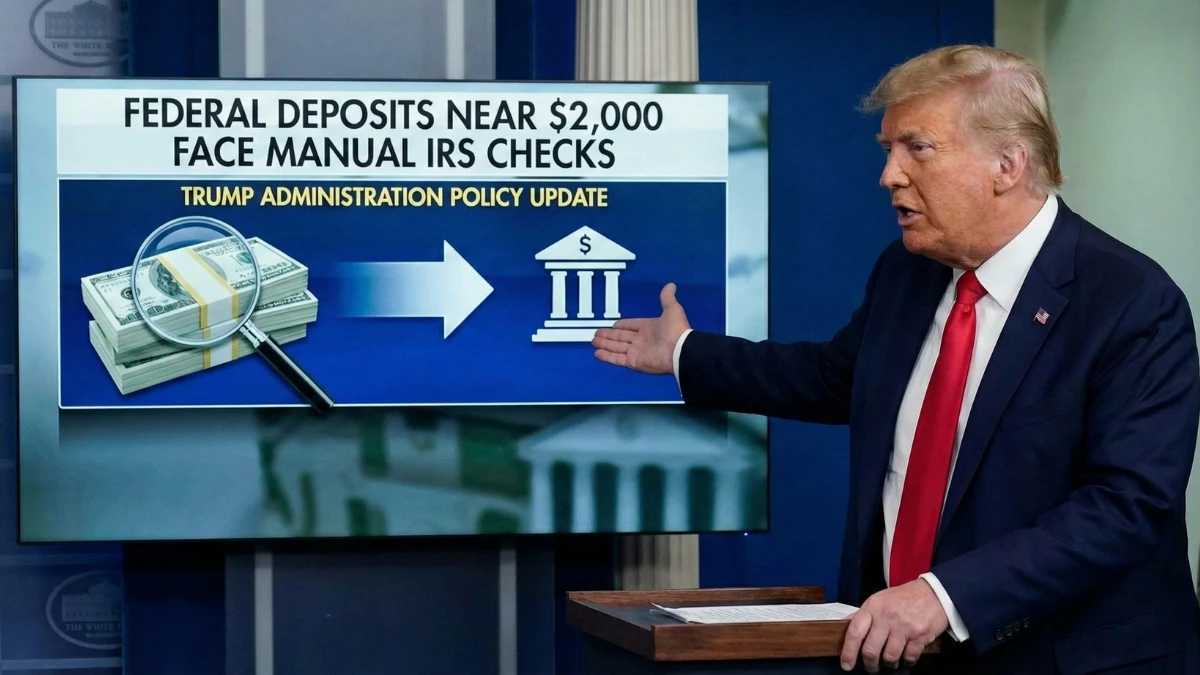
Taxpayers expecting federal deposits near $2,000 are increasingly noticing slower processing and additional review steps, leading to questions about why these amounts attract closer attention. This article explains how and why the Internal Revenue Service routes certain refunds for manual checks, what triggers these reviews, and what filers should realistically expect during the process.
Why Deposits Near $2,000 Trigger Manual Review
Refunds around the $2,000 mark frequently include refundable tax credits, withholding adjustments, or income changes, which are more prone to verification issues. When automated systems flag inconsistencies or risk indicators, the return is sent for manual IRS review to ensure accuracy before payment is released.
| Review Trigger | Why It Requires Human Review |
|---|---|
| Refundable Credits | Eligibility must be confirmed |
| Income Data Mismatch | Employer records need validation |
| Identity Screening | Fraud prevention checks |
| Banking Verification | Deposit details confirmed |
| Risk Scoring Flags | Automated systems escalate cases |
Why the $2,000 Range Matters
The $2,000 range often represents a threshold where refundable credits and adjustments converge, making it statistically more likely for errors or fraud attempts to occur. As a result, refunds near this amount are more frequently diverted from automated approval to manual inspection.
Does Manual Review Mean a Problem With Your Return?
No. A manual check does not mean your refund is denied or incorrect. In many cases, the IRS simply needs time to verify information. Most refunds that enter manual review are approved without taxpayer action once verification is complete.
How Manual Checks Affect Refund Timing
Manual reviews can extend processing by several weeks, especially during peak filing periods. Once approved, refunds are released normally—usually by direct deposit, which remains the fastest delivery option.
What Taxpayers Should Do During a Manual Review
Taxpayers should monitor official IRS notices and respond only if instructed. Filing an amended return or repeatedly contacting the IRS without guidance can delay the process further.
Common Misconceptions About $2,000 Refunds
Many people believe refunds are delayed because of the amount alone. In reality, it’s the return details behind the amount, such as credits or verification needs, that determine whether manual review is required.
Key Facts to Remember
- Deposits near $2,000 often include refundable credits
- Manual checks are routine, not punitive
- Most reviewed refunds are eventually approved
- Direct deposit speeds payment after approval
- Delays are usually temporary
Conclusion
Federal deposits near $2,000 are more likely to face manual IRS checks due to verification and fraud-prevention processes—not because of arbitrary thresholds. While these reviews can slow refunds, they are designed to protect taxpayers and ensure accurate payments across the system.
Disclaimer
This article is for informational purposes only and does not constitute tax or legal advice. Refund timing and review outcomes vary by individual circumstances. Always rely on official IRS correspondence or consult a qualified tax professional.