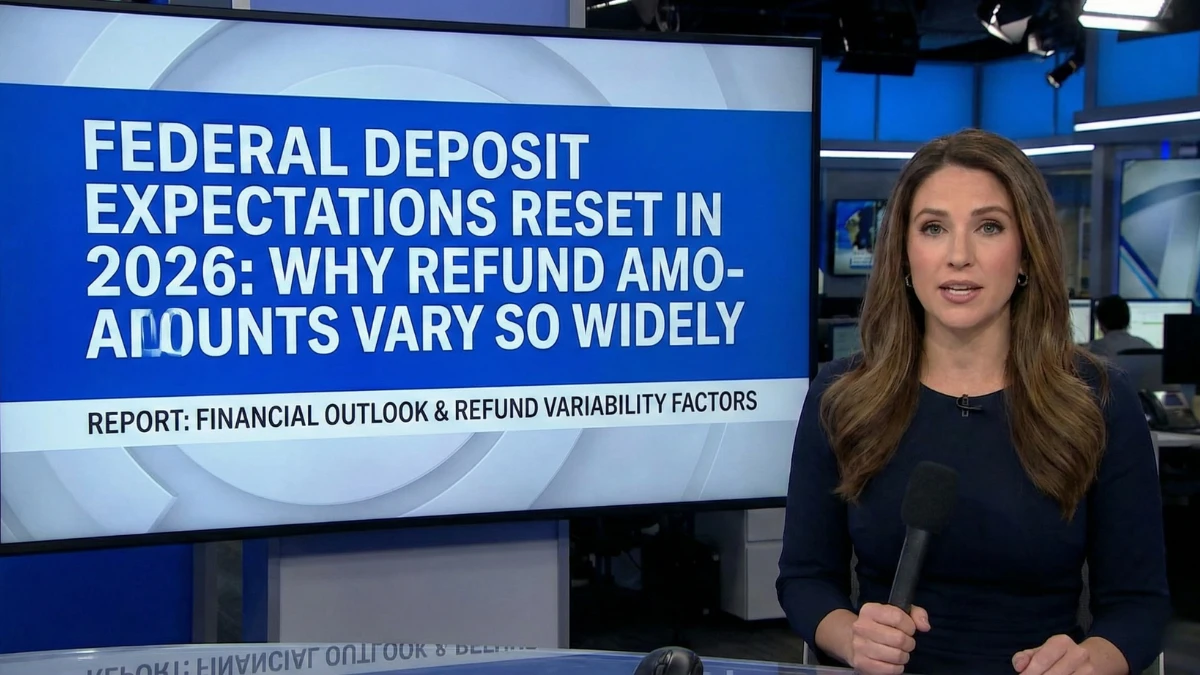
As the 2026 tax season unfolds, many Americans are resetting expectations around federal deposits, discovering that refund amounts differ widely even among filers with similar incomes. Confusion stems from changes in withholding habits, credit eligibility, and processing paths. This article explains why refunds vary so much in 2026, how the Internal Revenue Service calculates and releases payments, and what taxpayers should understand before comparing deposits.
Why Federal Refund Amounts Look So Different in 2026
Refunds are not standardized payments; they are reconciliations of what you paid versus what you owed. In 2026, several factors are amplifying the spread between small and large refunds.
| Factor | How It Changes Refunds |
|---|---|
| Withholding Choices | Over- or under-withholding shifts totals |
| Refundable Credits | Eligibility boosts some refunds |
| Income Changes | Raises or job switches alter taxes |
| Filing Accuracy | Errors can reduce or delay refunds |
| Timing & Reviews | Verification affects release order |
Withholding Habits Matter More Than Ever
Many workers updated W-4 settings in recent years. Those who withheld more throughout the year may see larger refunds, while others receive smaller amounts—or owe—despite similar earnings.
Credits Create the Biggest Gaps
Refundable credits can significantly increase refunds for eligible filers, while those who don’t qualify receive much less. Two households with comparable incomes can see very different deposits depending on credit eligibility.
Processing Paths Affect Perception
Returns move through different IRS processing lanes. Some clear automated checks quickly; others enter review. This affects when deposits arrive, not just how much, reinforcing the idea that refunds vary unpredictably.
Bank Timing Adds Another Layer
After the IRS releases a refund, banks decide posting times. Pending holds and posting delays can make amounts seem inconsistent across filers even when IRS processing is complete.
What 2026 Filers Should Do Differently
Instead of comparing refunds, filers should focus on accurate withholding, correct credit claims, and e-filing with direct deposit. A smaller refund can be a sign of better paycheck accuracy, not a loss.
Key Facts to Remember
- Refunds are reconciliations, not bonuses
- Credits drive the widest differences
- Withholding choices shape outcomes
- Processing order affects timing
- Bank posting varies by institution
Conclusion
In 2026, federal deposit expectations are resetting as taxpayers realize refunds naturally vary by situation. Differences in withholding, credits, income changes, and processing paths—not favoritism—explain why amounts range widely. Understanding these drivers helps filers plan smarter and avoid misleading comparisons.
Disclaimer
This article is for informational purposes only and does not constitute tax or financial advice. Individual refund amounts and timing vary. Always rely on official IRS guidance or a qualified tax professional.